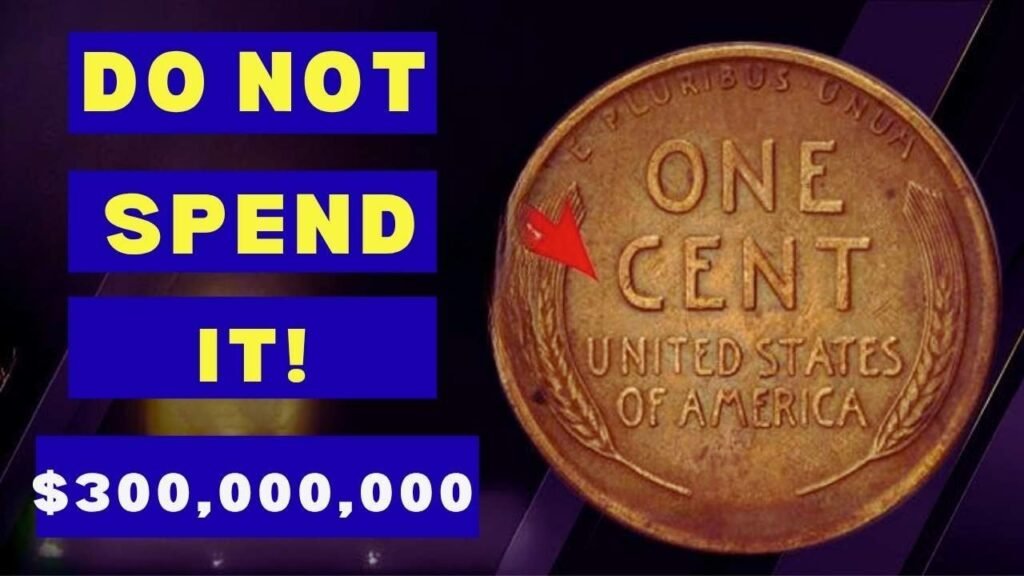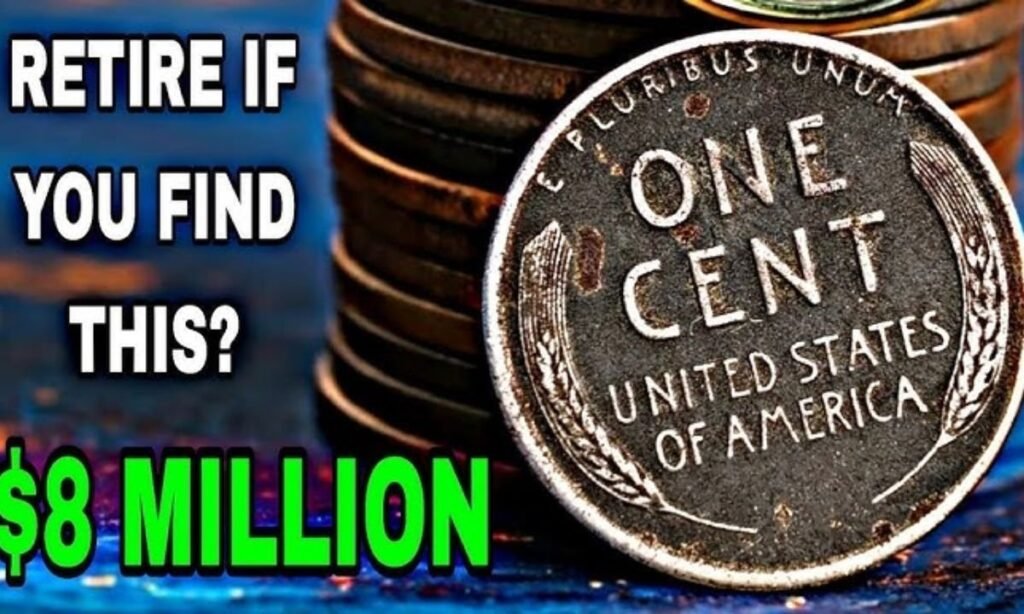
Wheat pennies, also known as Lincoln wheat cents, have been a favorite among collectors for over a century. These one-cent coins, minted from 1909 to 1958, feature Abraham Lincoln on the front and two stalks of wheat on the back. While most are worth only a few cents, certain rare dates, low-mintage issues, and famous errors can be worth hundreds, thousands, or even millions in top condition. Collectors love hunting for them in old jars, inherited collections, or even pocket change because the thrill of finding something valuable is always there.
Here are the top 6 valuable wheat pennies to watch right now. These stand out due to rarity, historical importance, and strong demand in the current market.
1. 1909-S VDB Lincoln Wheat Penny
This is often called the king of wheat pennies. In 1909, the U.S. Mint added designer Victor David Brenner’s initials “VDB” on the reverse. Public outcry led to their quick removal, so only a small number of San Francisco-minted coins (1909-S VDB) have them.
- Mintage: Just 484,000 pieces
- Why it’s valuable: Very low survival rate today, plus it’s the first Lincoln cent
- Collector prices: Circulated examples start around $700–$1,200. Mint-state red coins can reach $100,000+ with top grades selling for over $150,000
This coin is a must-have for serious collectors.
2. 1943 Bronze (Copper) Lincoln Wheat Penny
During World War II, the Mint switched to steel pennies to save copper. A few bronze planchets were accidentally used in 1943, creating one of the greatest error coins ever.
- Known examples: Only about 20 or fewer exist across all mints
- Why it’s valuable: Incredible wartime mistake + extreme rarity
- Collector prices: Even worn examples can sell for $100,000+. Top-condition coins have sold for over $1 million at auction
Finding one in change would be life-changing.
3. 1944 Steel Lincoln Wheat Penny
After switching back to copper in 1944, a handful of leftover steel planchets were used by mistake. These silver-looking pennies are the opposite of the 1943 error.
- Known examples: Very few, especially from the Denver mint
- Why it’s valuable: Transitional error during metal change
- Collector prices: Circulated ones often go for $10,000–$50,000. High-grade examples exceed $100,000–$400,000 in some cases
The shiny steel color makes them easy to spot.
4. 1914-D Lincoln Wheat Penny
The 1914-D is a true key date because of its tiny mintage from the Denver mint.
- Mintage: Only 1,193,000 pieces
- Why it’s valuable: One of the lowest in the entire series, and many were lost over time
- Collector prices: Good condition starts at $200–$400. Mint-state examples easily reach $5,000–$20,000+, with gems over $50,000
Always check the “D” mint mark under the date.
5. 1955 Doubled Die Obverse Lincoln Wheat Penny
This famous error shows strong doubling on the date, lettering, and Lincoln’s eye. The doubling is so obvious you can see it without a magnifying glass.
- How many exist: Estimated 20,000–24,000 survivors
- Why it’s valuable: Dramatic error that’s instantly recognizable
- Collector prices: Circulated examples sell for $800–$1,500. Mint-state red coins can go for $20,000–$50,000 or more
It’s one of the most popular error coins ever made.
6. 1922 No D (Plain) Lincoln Wheat Penny
Some 1922 pennies from Denver were struck with a weak or missing mint mark, creating the “No D” variety.
- How to spot it: No mint mark visible, but it’s actually a Denver coin with a filled die
- Why it’s valuable: Scarce variety with strong collector interest
- Collector prices: Worn examples start around $500–$1,000. High-grade coins can reach $10,000–$20,000+
This one tricks people because it looks like a plain (Philadelphia) cent at first.
These six wheat pennies represent the best mix of rarity, history, and collector demand. Values depend heavily on condition, so grading by services like PCGS or NGC is key. Even common wheat pennies in great shape can bring a few dollars, but these special ones are the real prizes.
Final Verdict Wheat pennies offer a perfect blend of American history and hidden potential. Whether you’re a beginner checking old rolls or an experienced collector building a set, these rare Lincoln one-cent coins remain exciting to hunt and own. The market for top examples stays strong, and with careful searching, you might just find one of these treasures yourself.
Q: Are all wheat pennies valuable?
A: No, most common dates are worth only 5–25 cents in average condition. Value comes from rarity, errors, or high grades.
Q: How can I tell if my wheat penny is rare?.
A: Check the date, mint mark (S or D under the date), look for doubling, wrong metal color, or missing details. Use a magnifying glass and compare to known varieties.
Q: Should I clean my wheat penny before selling?
A: Never clean it. Cleaning removes natural toning and can lower value dramatically. Leave coins as found and get them graded.
Q: Where can I get my wheat penny appraised?
A: Take it to a reputable coin dealer, coin show, or submit to PCGS/NGC for professional grading. Auction houses like Heritage or Stack’s Bowers handle high-value sales.
Q: Will wheat pennies keep going up in value?
A: Rare key dates and errors have shown steady growth over time. As more people collect and fewer coins remain in top shape, demand stays high