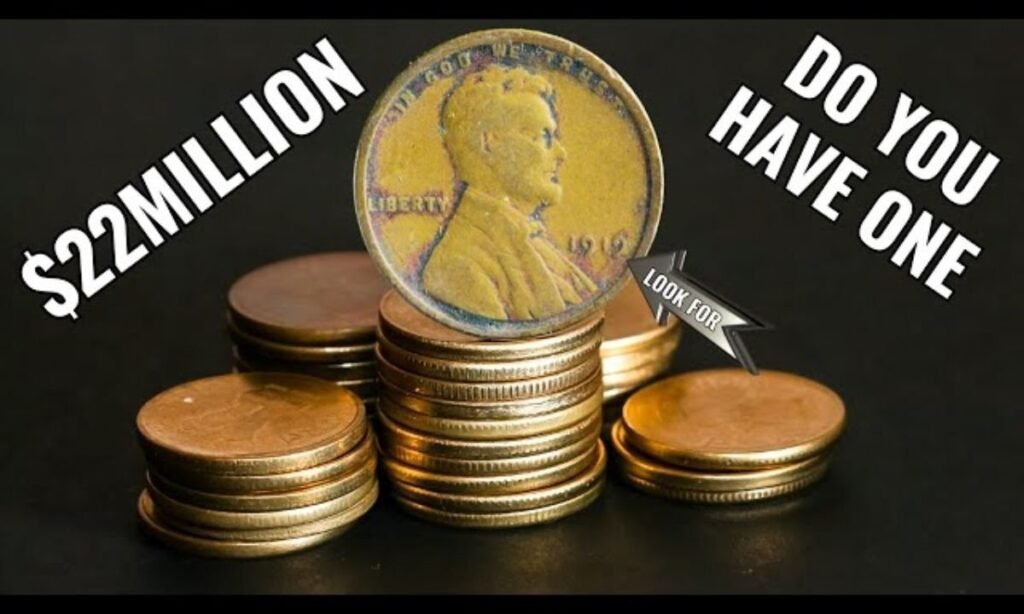
Don’t let spare change fool you. A handful of U.S. pennies sitting in jars, drawers, and old piggy banks could be hiding massive value. Coin experts say that certain mint errors, ultra-rare batches, and historical one-offs have pushed prices into the millions at auction, turning everyday copper coins into life-changing finds for the lucky few.
A Market No One Expected
For decades, the humble penny was treated as the least exciting coin in circulation. But collectors always knew something the public didn’t—rarity beats face value every time. In recent years, mainstream attention and record-breaking auction results pulled pennies into the spotlight, especially those tied to mint mistakes or limited production runs that were never meant to reach public hands. The demand surged so fast that even long-time collectors were stunned by how aggressively bidders began competing for the best examples.
What Makes a Penny Worth That Much?
A penny’s value skyrockets when something about it exists in extremely short supply or carries a feature that can’t be replicated. That includes minting flaws that slipped past quality control, experimental compositions the government scrapped, or early-era coins preserved in near-perfect condition. The most expensive pennies often share a mix of historical importance, scarcity, and authenticity verification by grading professionals. A single variation—like doubled lettering or a missing mint mark—can be enough to send a coin into a bidding war if the rest of its story checks out.
Pennies Most Collectors Hunt For
Not all valuable pennies are million-dollar coins, but some have the potential to reach that level if they meet strict grading standards and pass authentication. Many other rare pennies still sell for thousands or hundreds of thousands. The key is identifying which ones deserve a second look before they get spent at a store.
Key Traits That Could Signal Big Money
Here are the characteristics collectors inspect first when evaluating a potentially high-value penny. If a coin shows one or more of these features, it might be worth pulling aside for professional review.
- Unusual strike patterns or doubling on letters and numbers
- Missing or misplaced mint identifiers
- Off-center or incomplete design impressions
- Unapproved metal blends from trial mint runs
The Most Valuable Pennies Ever Sold
Some pennies didn’t just climb in value—they shattered records. While the odds of finding one in circulation are incredibly slim, these sales prove how high the ceiling can go when the right coin surfaces. Collectors often point to these examples when explaining why checking change still matters.
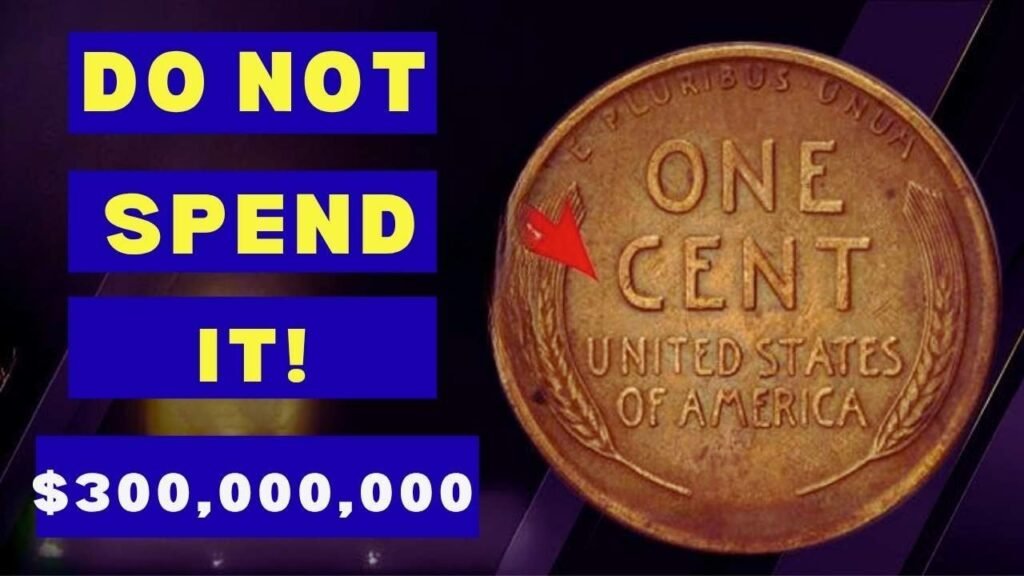
Rare Pennies You Should Never Spend
A few of the most desirable pennies share production quirks or historical anomalies that made them legendary in the collecting world. These coins are studied, replicated in theory, and used as reference points for grading, but only original authenticated specimens hold true market value. Below are the broad categories and physical signals tied to the highest-value penny discoveries.
The Biggest Warning Signs
Two areas of penny collecting consistently produce the most explosive valuations when the coins are authenticated and graded at the highest levels. These are the zones where collectors slow down, inspect carefully, and consider auction potential.
1. Major Mint Errors
Mint errors are unintentional mistakes that occurred during the coin-making process. Some are minor, others are dramatic. The most valuable errors typically show a clear, visible defect that makes the coin stand out instantly. Collectors prize these coins because no two errors are exactly alike, and the rarest mistakes were never meant to be seen.
2. Experimental Metal Coins
In early minting history, the U.S. government tested different metal compositions for pennies before settling on final designs. Most trial coins were destroyed, but a tiny number survived in private hands. These coins are among the rarest in existence, and authenticated examples have triggered the most expensive penny sales in history.
What To Do If You Think You Found One
If you suspect a penny might be worth far more than one cent, don’t clean it, polish it, or try to alter its appearance. Cleaning can destroy the coin’s value. Instead, store it in a soft protective case, avoid fingerprints, and have it reviewed by a professional grading or authentication service. Verification is everything at this level—without it, even a rare coin is just a story.
Why Circulation Finds Still Matter
While million-dollar pennies are the extreme exception, rare circulation finds are far more common than most people think. Collectors and dealers routinely pay high premiums for coins pulled from everyday batches if they show verified rarity or mint defects. That’s why the penny, despite inflation and debates about its future, still holds a strange, almost romantic appeal—because the next major discovery could come from anywhere.
Final Thoughts
The penny might be the smallest coin in your pocket, but it carries one of the biggest treasure-hunt opportunities in American numismatics. Most will never be worth more than one cent, but the few that break the rules of production, history, or survival have proven capable of rewriting lives. Before you hand over another penny at checkout, it might be worth flipping it over for a quick second look.
FAQs
1. Can a penny really be worth millions?
Yes, but only if it is extremely rare, authenticated, and graded at the highest quality levels.
2. How can I tell if my penny is valuable?
Look for unusual minting errors, missing mint marks, or design doubling, then get it professionally verified.
3. Should I clean a rare penny if I find one?
No. Cleaning or polishing can permanently destroy the coin’s value.
4. Are valuable pennies still in circulation today?
Some mint errors and rare pennies still turn up in circulation, though the ultra-high-value ones are incredibly rare.
5. Where should I get a penny authenticated?
Only through professional grading or verification services that specialize in coins. Authentication is the key step before any sale or auction attempt.