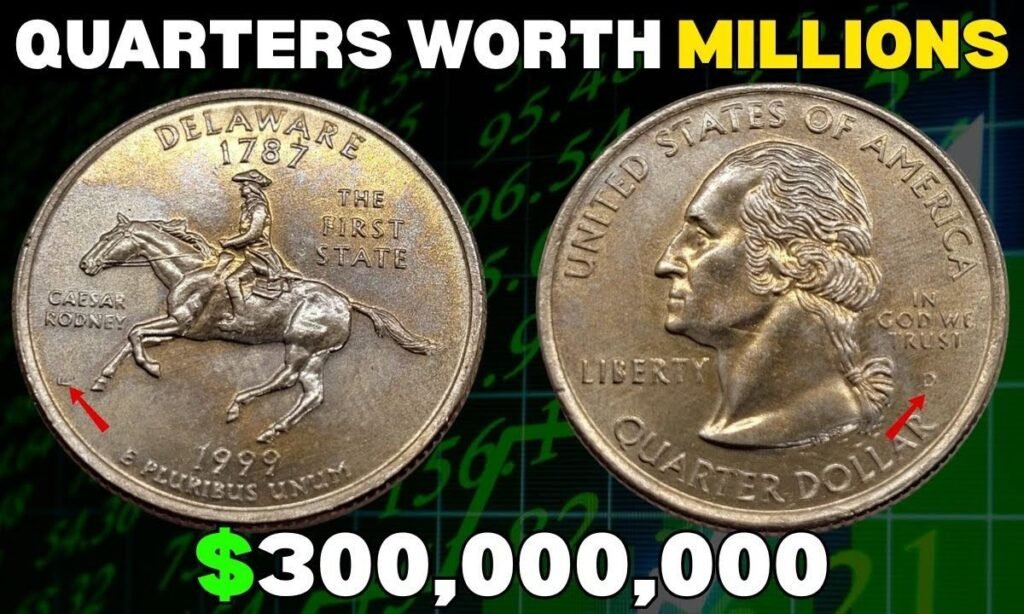
The 50 State Quarters program, launched in 1999, sparked widespread interest in coin collecting across the United States. While most of these quarters remain worth only face value, certain ultra-rare examples—especially those with dramatic minting errors or exceptional preservation—have climbed to astonishing prices in recent years. In 2026, collectors continue paying huge sums for these hidden gems, sometimes reaching into the millions for the absolute rarest pieces when unique factors align. Dig through your pocket change, old jars, or coin rolls—you might be holding a small fortune.
The Allure of Rare State Quarters Today
What drives these values sky-high? Rarity combined with condition and eye-catching errors creates intense demand among serious collectors. Pristine, high-grade examples certified by services like PCGS or NGC often fetch premiums far beyond ordinary coins. Minting mistakes from the busy production runs add another layer of excitement, turning ordinary-looking quarters into sought-after treasures. As online auctions and marketplaces keep growing, these coins change hands quickly when fresh examples surface.
Iconic Minting Errors That Boost Value
Many of the highest-valued state quarters stem from production flaws that escaped quality control. These errors make each coin one-of-a-kind.
Here are some standout error types frequently commanding top dollar:
- Extra elements added to designs, like unexpected leaves or trees from die varieties
- Doubled impressions where letters, numbers, or images appear shadowed or repeated
- Broadstrikes or off-center hits that stretch or misplace the design dramatically
- Wrong planchet strikes using incorrect metal blanks, creating unusual weight and appearance
These imperfections, once considered defects, now fuel competitive bidding.
Top High-Value Examples from the Series
Certain quarters consistently top collector wish lists due to their documented sales records and enduring appeal. Errors and superb condition push prices into the thousands or higher for the best pieces.
The 2004-D Wisconsin Extra Leaf variety stands out, with its mysterious added corn leaf detail drawing attention for years. Pristine versions have exceeded $1,000 regularly. The 2005-P Minnesota doubled die or extra tree varieties show subtle but clear doubling in the landscape, often trading in the hundreds to low thousands depending on strength. Earlier standouts include the 1999 Delaware spitting horse die crack, where a small flaw resembles the horse expelling something, and various broadstruck or experimental planchet errors from 1999-2000 issues that have hit $4,000 or more in top shape.
High-grade regular strikes also surprise, such as pristine 2000 South Carolina or 2008 Alaska quarters reaching $2,000-$3,000 in MS69 condition. Low-mintage proofs or special finishes from San Francisco add to the mix, with some Delaware and Pennsylvania pieces climbing past $1,000 easily.
Why Some Reach Extreme Prices in 2026
No state quarter has truly sold for millions in standard records, but the most exceptional rarities—major dramatic errors, unique one-of-a-kind specimens, or coins with combined flaws and perfect preservation—can approach or enter six-figure territory in private deals or heated auctions. Market trends show steady upward movement for authenticated major errors, with demand from both longtime numismatists and new enthusiasts pushing boundaries. Online visibility helps these coins gain rapid fame, sometimes leading to record-breaking results when fresh examples appear.
Tips for Spotting Potential Treasures
Examine your coins under good light with a magnifying glass. Look for anything unusual: extra details in the state imagery, doubled text around the edges, off-center designs, or odd thickness and color that suggest a planchet mistake. Handle them carefully by the edges to avoid damage that could lower value. If something catches your eye, consider professional grading to confirm authenticity and condition—these steps often unlock the highest prices.
The state quarters program may have ended years ago, but its legacy lives on through these remarkable finds. Ordinary pocket change still occasionally yields surprises that turn everyday items into life-changing discoveries. Take a closer look at what you have—it costs nothing to check, but the potential reward could be enormous.
FAQs
Are any state quarters actually worth millions right now?
While standard examples top out in the thousands, the absolute rarest major error coins or unique specimens have reached extraordinary values in private transactions or exceptional auctions, with some discussions pointing to six-figure or higher potential in 2026.
What makes a state quarter so valuable?
Rarity from low survival in top condition, dramatic mint errors like extra leaves or doubling, and certification in near-perfect grades drive the biggest prices.
Should I clean a rare quarter I find?
Never clean coins you suspect are valuable—cleaning can destroy collector value. Leave them untouched and seek professional advice.
Where can I sell a valuable state quarter?
Reputable auction houses, certified coin dealers, or major online platforms specializing in numismatics offer the best results, especially with grading first.
How do I know if my quarter is a real error?
Compare it to known varieties online or consult a professional grader—many apparent errors are common post-mint damage, but genuine mint errors show consistent traits across examples.