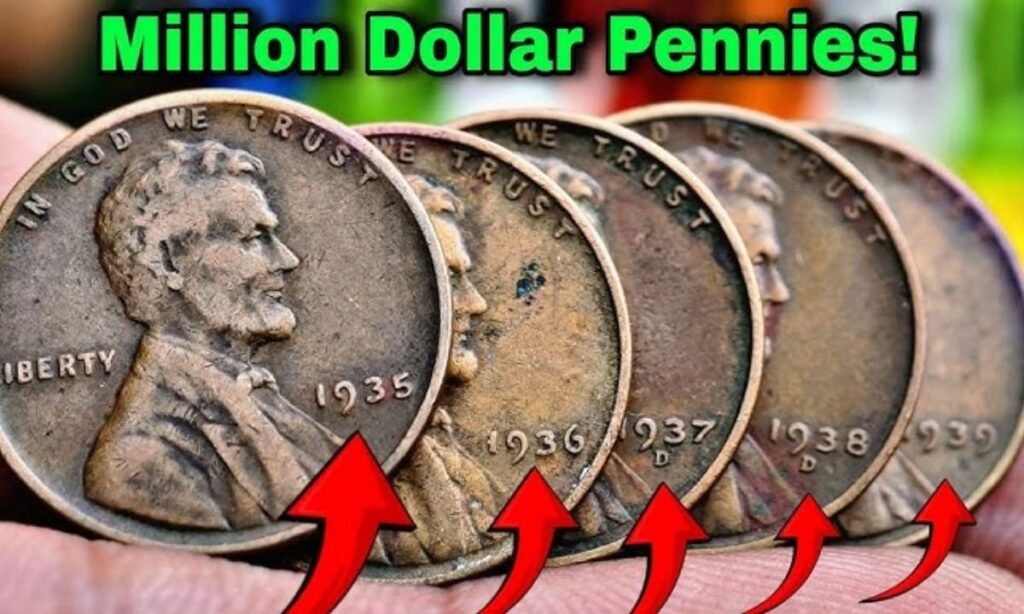
Collectors and everyday people occasionally stumble upon hidden treasures in loose change or old jars, and few coins spark more excitement than rare Lincoln pennies. Some of these small copper pieces have fetched staggering sums at auctions, turning ordinary finds into life-changing windfalls thanks to minting mistakes, low production numbers, or unique errors from decades ago.
The Allure of Lincoln Pennies
The Lincoln cent, first issued in 1909 to honor Abraham Lincoln, remains one of the most collected U.S. coins. Early versions feature wheat stalks on the reverse, earning them the nickname “wheat pennies.” While most are worth only a few cents, certain rarities—especially dramatic errors—command enormous prices from serious numismatists. These standouts often result from wartime material shifts or die mishaps that escaped quality control.
Wartime Errors: The 1943 Bronze Cents
During World War II, copper was needed for ammunition, so the U.S. Mint switched to zinc-coated steel pennies in 1943. A few bronze planchets from the previous year lingered in the presses, leading to accidental copper strikes. These bronze 1943 pennies are among the rarest in existence.
Examples from Philadelphia, Denver, and San Francisco mints exist, but in tiny numbers. High-grade specimens have sold for hundreds of thousands, with one Denver-minted bronze cent reaching well over a million dollars in private sales or auctions. Their copper color and magnetic non-reaction set them apart from the common steel versions that stick to magnets.
The Flip-Side Rarity: 1944 Steel Cents
In 1944, production returned to bronze, but some leftover steel planchets from 1943 got struck anyway. These steel 1944 pennies look silvery and are just as scarce as their 1943 counterparts. Collectors prize them for the same off-metal drama.
Values climb into the six figures for nice examples, with top-condition pieces approaching or exceeding a million dollars in some records. The San Francisco version is particularly elusive, driving competition among enthusiasts.
Famous Doubled Die Varieties
Doubled die errors occur when a die hub shifts slightly during preparation, creating noticeable doubling on letters or dates. These varieties add visual drama and rarity without relying on material changes.
- The 1955 doubled die obverse shows bold doubling on the date and inscriptions, making it one of the most recognizable errors.
- Later examples, like the 1969-S doubled die, feature dramatic shifts visible even without magnification.
- Some modern doubled dies from the 1970s and beyond have brought strong prices in high grades.
These pieces often sell for tens of thousands in top condition, appealing to collectors who love dramatic, eye-catching flaws.
Key Dates and Low-Mintage Treasures
Beyond errors, certain regular-issue Lincoln pennies stand out due to tiny mintages or other quirks. Early San Francisco coins from 1909, including the famous VDB initial variety, remain highly sought after. Other low-production years from the teens and twenties command premiums in excellent preservation.
Condition plays a huge role—coins graded in mint state with original red luster fetch far more than worn examples. Professional grading services help authenticate and value these pieces accurately.
Why These Pennies Reach Million-Dollar Status
The combination of historical context, extreme scarcity, and collector demand pushes values sky-high. Wartime errors like the 1943 bronze and 1944 steel cents tell stories of wartime shortages and mint accidents. Doubled dies showcase human error in a tangible way. When a unique or near-unique specimen hits the market, bidding wars erupt among wealthy collectors and institutions.
In recent years, auction records have climbed steadily for the finest examples, reflecting growing interest in numismatics as both hobby and investment.
These rare Lincoln pennies remind us that extraordinary value can hide in the most ordinary places. Checking old collections or pocket change might not make everyone a millionaire, but the possibility keeps the thrill alive for coin lovers everywhere.