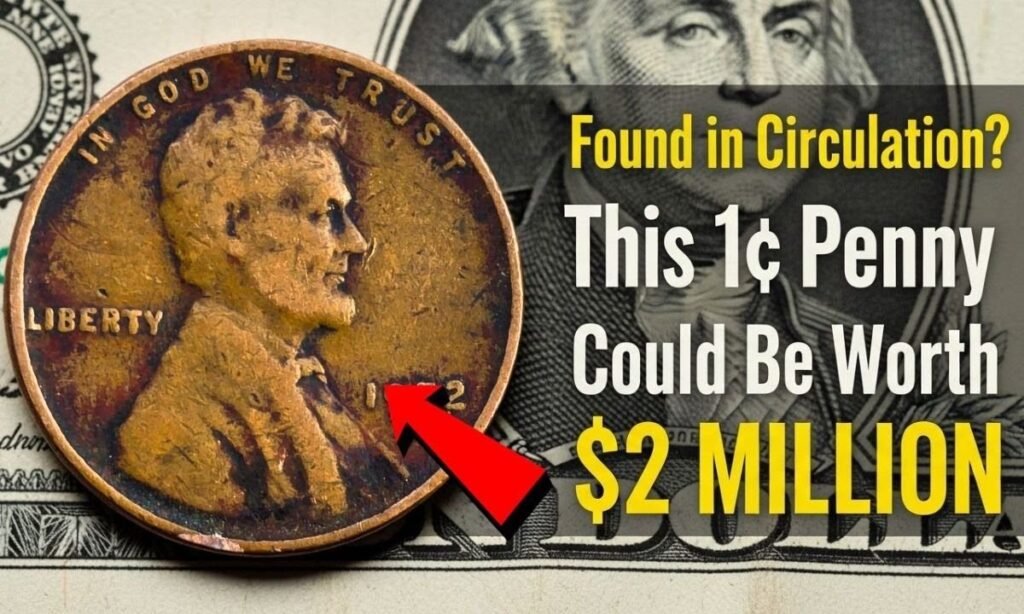
Some everyday coins hide incredible value in plain sight. Over the years, certain U.S. pennies have fetched astonishing prices at auctions due to rare minting mistakes, historical significance, or extreme scarcity. These aren’t your average pocket change they represent thrilling stories of error and luck that turn a single cent into a small fortune.
The Allure of Rare Pennies
Pennies might seem ordinary, but collectors prize them for tiny details that make some examples stand out. Minting errors during wartime material switches or unusual varieties from early American coin production create true rarities. When these coins surface in top condition, they draw fierce bidding from enthusiasts worldwide. The highest prices often go to pieces with documented histories or flawless preservation.
Wartime Mistakes That Made Millions
During World War II, the U.S. Mint shifted to steel pennies coated in zinc to save copper for the war effort. In 1943, almost all one-cent coins were made this way, but a handful were accidentally struck on leftover bronze planchets. These copper versions became legendary errors. One standout is the 1943-D Lincoln bronze penny, which has reached values around $2.3 million in pristine condition, with past sales hitting well over a million dollars. Similar mistakes happened in 1944 when the Mint returned to copper—some steel planchets got struck anyway, leading to rarities like the 1944-S steel penny valued up to $1.1 million or more in top grades.
Early American Treasures
Long before Lincoln pennies existed, the very first large cents from 1793 carried symbolic designs that now command huge sums. The 1793 Chain cent, featuring a chain of links on the reverse to represent unity, ranks among the most historic and expensive. Examples in exceptional condition have sold for over a million dollars, with one notable record exceeding $1.3 million. These early pieces remind us how coin collecting connects to the birth of the nation.
Here are a few other standout rare pennies that have drawn big money:
- The 1955 doubled die Lincoln wheat penny, where dramatic doubling on the date and lettering creates a striking visual error, often fetching six figures in high grades.
- The 1909-S VDB Lincoln cent, a key date with the designer’s initials that sparked controversy at release, commanding strong prices among serious collectors.
- Certain Indian Head pennies from the late 1800s, like select high-grade 1877 examples, that appeal to those chasing pre-Lincoln series rarities.
What Drives These Sky-High Prices
Condition plays a massive role—coins graded near-perfect by services like PCGS or NGC fetch the top dollars. Rarity matters too; many of these errors exist in tiny numbers, sometimes fewer than 20 known examples. Market demand from wealthy collectors pushes values higher during hot auction seasons. Stories behind the coins, like how a teenager once found a 1943 copper penny in change, add emotional appeal that boosts bids.
Could You Have a Fortune in Your Collection?
While most pennies in circulation hold face value, checking old jars, inherited collections, or even pocket change occasionally turns up surprises. Look closely at dates around 1943 or 1944 for unusual material or odd appearances. Early large cents or key Lincoln dates deserve a second glance too. Professional grading can confirm authenticity and value if something looks promising. You never know—one overlooked coin might change everything.
In the world of numismatics, these expensive pennies prove that history and chance can create extraordinary worth from the humblest beginnings. If luck is on your side, that dusty old cent could be worth far more than you ever imagined.
FAQs
What makes the 1943 bronze penny so valuable?
It resulted from a wartime minting error when copper planchets were used instead of steel, making surviving examples incredibly scarce and highly sought after by collectors.
How can I tell if I have a rare penny?
Examine the date, mint mark, material (like if a 1943 feels like copper instead of steel), and any obvious errors such as doubling. Compare to known varieties online or consult a professional.
Are all expensive pennies errors?
Not always—some gain value from low mintage, key dates, or historical importance, like early 1793 cents, while others stem purely from striking mistakes.
Where do these rare pennies sell for the most money?
Major auction houses handle the highest-profile sales, where competitive bidding among collectors drives prices into the hundreds of thousands or millions.
Should I clean a potentially valuable penny?
Never—cleaning can destroy value by removing natural toning or causing damage. Leave coins as found and seek expert advice before any handling.