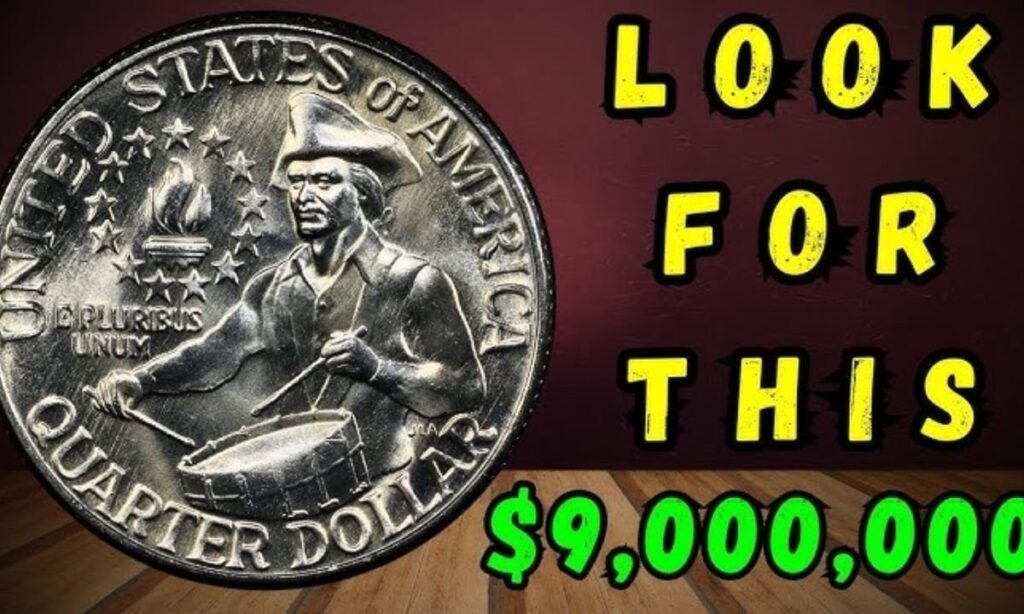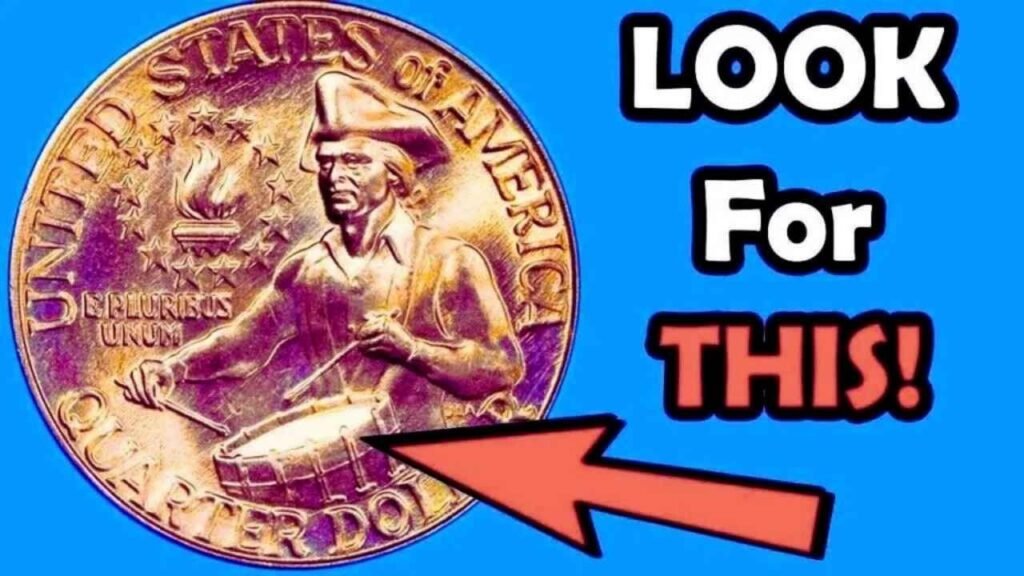
The 1976 Bicentennial Quarter, also known as the Drummer Boy quarter, remains one of the most recognizable coins in American history. Minted to celebrate the nation’s 200th anniversary, it features a unique colonial drummer on the reverse and the dual date 1776-1976. While over 1.6 billion were produced and most are worth only face value, certain rare varieties and errors continue to circulate today, making them highly sought after by collectors for their potential value.
Iconic Design That Stands Out
The Bicentennial quarter breaks from the traditional Washington quarter with its special reverse: a colonial drummer holding a torch, surrounded by 13 stars representing the original colonies. The obverse keeps George Washington’s portrait but adds the dual dating.
These coins were struck in copper-nickel clad for circulation at Philadelphia (no mint mark) and Denver (D mint mark). A separate 40% silver version was made at San Francisco (S mint mark) for collector sets, but a few have escaped into circulation over the years.
- Dual 1776-1976 date for historical significance
- Drummer Boy reverse that’s instantly recognizable
Even common examples hold nostalgic appeal, but the real excitement comes from spotting rare traits in pocket change.
Rare Silver Versions in Circulation
Though not intended for circulation, some 1976-S 40% silver Bicentennial quarters have turned up in change. These weigh slightly more (about 5.75 grams vs. 5.67 for clad) and show a solid silver edge without the copper core visible on regular issues.
Finding one in circulated condition is rare, but it happens—often worth several dollars just for the silver content, with nicer examples fetching $20 or more.
Doubled Die Errors: The Most Sought-After Variety
One of the top collectible errors is the doubled die obverse, especially on 1976-D quarters. This happens when the die shifts slightly, creating noticeable doubling on lettering like “LIBERTY,” “IN GOD WE TRUST,” or the date.
Strong examples can be seen with the naked eye or a magnifying glass. Values range from $100 in circulated condition to over $1,000 in high grades, with some pristine pieces selling for thousands.
- Look for clear separation on letters and numbers
- Most common on Denver-minted coins
Collectors actively hunt these in rolls and change, as many remain undiscovered.
Off-Center Strikes and Other Mint Errors
Off-center strikes occur when the planchet isn’t aligned properly, leaving part of the design blank. The more dramatic the offset (while keeping the date visible), the higher the value—often $50 to several hundred dollars.
Other errors like clipped planchets, struck-through grease, or wrong planchet strikes (extremely rare) can also appear in circulation and command premiums.
High-Grade Circulated Examples
Even without errors, Bicentennial quarters in superb condition stand out. Coins with sharp details, original luster, and minimal wear can grade high and sell for far more than face value.
The 1976 Bicentennial quarters still circulating today offer a thrilling hunt for collectors. While most are common, rare silver escapes, doubled die errors, off-center strikes, and high-grade examples make checking your change worthwhile. These coins blend American history with the excitement of discovery, proving that valuable treasures can hide in everyday pockets.
FAQs
Are all 1976 Bicentennial quarters valuable?
No, most circulated clad examples are worth only 25 cents, but errors, silver versions, or high-grade coins can be worth much more.
How can I tell if my 1976 quarter is silver?
Check the edge for a solid silver appearance (no copper stripe) and weigh it—silver ones are slightly heavier. An “S” mint mark also indicates silver.
What is the most valuable error on a circulating 1976 quarter?
Doubled die obverse varieties, especially strong ones on 1976-D coins, often top the list with values from hundreds to thousands.
Can I still find valuable Bicentennial quarters in circulation today?
Yes, many remain in change, bank rolls, and old collections—rare varieties occasionally surface.
Should I get my 1976 quarter professionally graded?
If it shows a clear error, silver composition, or exceptional condition, yes—grading can significantly increase its value and authenticity.