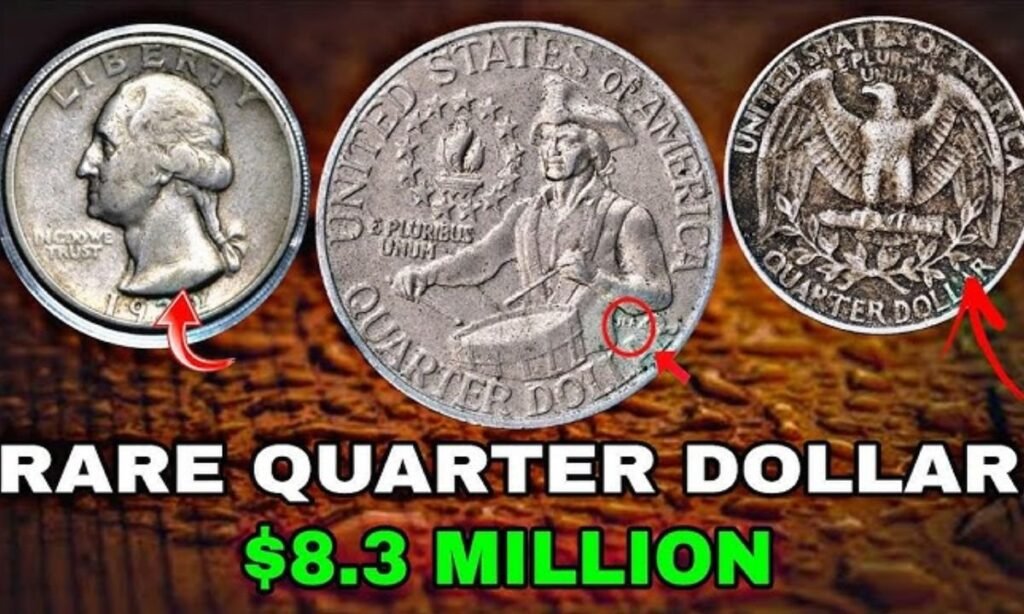
Every now and then, a common-looking quarter in your change turns out to be a small fortune. The Washington quarter, featuring George Washington on the front and an eagle on the back, has been part of American pockets since 1932. What many people don’t realize is that certain rare versions especially those with the classic Liberty-inspired design elements from the early years can fetch thousands of dollars from collectors. These hidden treasures often hide in plain sight, waiting for someone to notice their special traits.
The Iconic Design That Started It All
The Washington quarter was introduced in 1932 to mark the 200th anniversary of George Washington’s birth. Designed by sculptor John Flanagan, the obverse shows a left-facing portrait of Washington, while the reverse originally depicted a heraldic eagle with outstretched wings. This design echoed earlier Liberty-themed quarters, giving it a timeless appeal. Early silver versions from 1932 to 1964 contain 90% silver, adding extra value beyond any rarity factor. Collectors prize these coins not just for their metal content but for the historical story they tell about American coinage during tough economic times.
Why Some Washington Quarters Become Extremely Valuable
Value in these coins comes from a mix of factors like low production numbers, minting location, condition, and unexpected errors during production. The rarest examples often come from the first year of issue or from mints that produced far fewer pieces. High-grade specimens those with sharp details and minimal wear—can multiply their worth dramatically. Even coins that look ordinary at first glance might reveal doubled lettering, overdates, or other anomalies that make them stand out to experts.
Here are some of the main reasons certain Washington quarters skyrocket in price:
- Extremely low mintage from specific years or mints creates scarcity that drives demand.
- Minting errors, such as doubled dies where design elements appear twice, turn ordinary strikes into rarities.
- Exceptional preservation keeps original luster and details intact, appealing to serious collectors.
- Historical significance, especially from the series’ debut era, adds collector interest beyond pure numbers.
Key Dates That Could Be Worth a Fortune
The most sought-after Washington quarters often trace back to the early 1930s, when mints produced limited quantities amid the Great Depression. The 1932-D and 1932-S stand out as true key dates because so few were made. Circulated examples still bring strong prices, while pristine ones command much higher amounts. Other dates from the silver era show strong value when they feature varieties or stay in top condition.
Common Errors That Turn Quarters into Treasures
Minting mistakes happen more often than people think, and some Washington quarters bear clear signs of these flaws. Doubled die varieties show noticeable doubling on words like “IN GOD WE TRUST” or the date itself. Other errors include overmintmarks or unusual strikes that alter the coin’s appearance. These imperfections make the coins unique and highly desirable. Collectors carefully examine edges, lettering, and portraits for telltale signs.
What to Look For in Your Own Change
Spotting a valuable quarter doesn’t require fancy equipment just good lighting and attention to detail. Check the date first, focusing on early years like 1932. Look closely at the mint mark (a small D or S below the wreath on the reverse) and inspect for any doubling or odd features. If the coin feels heavier than normal or shows silver edges when viewed from the side, it might be from the pre-1965 era. While most quarters remain face value, the rare ones can surprise even experienced searchers.
In the end, these coins remind us that history and value can hide in everyday items. The next time you receive a Washington quarter, take a moment to examine it closely. You might be holding a piece worth far more than 25 cents one of those rare finds that turns pocket change into a real windfall for lucky discoverers.