The U.S. State Quarters program, which ran from 1999 to 2008, turned everyday pocket change into a nationwide collecting craze. While most of those quarters still carry just their face value of 25 cents, certain rare versions—especially those with minting errors or exceptional condition—have surged in value among collectors. In 2026, as interest in these coins remains strong, some hidden gems could fetch hundreds or even thousands of dollars if you spot them in loose change or old jars.
Why Some State Quarters Became So Valuable
The program honored each of the 50 states with a unique reverse design, producing billions of coins overall. That massive mintage keeps common examples cheap, but rarity drives up prices for specific pieces. Minting mistakes, like doubled images or extra elements from die issues, create varieties that stand out. High-grade uncirculated coins preserved without wear also command premiums, as do certain proof versions accidentally released into circulation. Collectors prize these anomalies because they tell a story of human error in an otherwise precise process.
Famous Error Varieties That Fetch Top Dollar
Error coins often top the list of valuable state quarters because the mistakes are limited and highly sought after. These varieties can turn an ordinary quarter into a prized find.
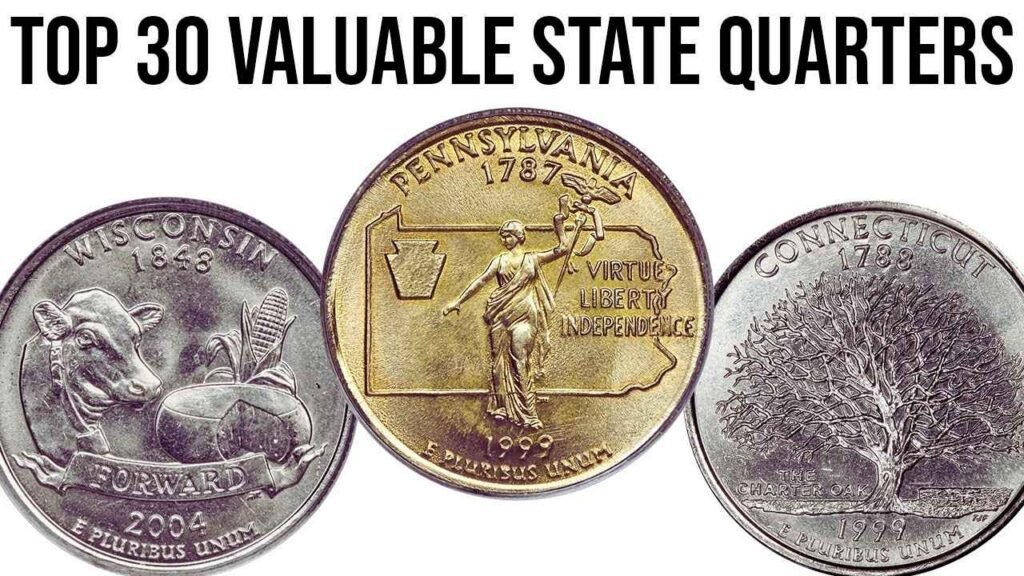
- The 2004-D Wisconsin “Extra Leaf” quarter shows an additional leaf on the corn stalk, with high-leaf and low-leaf versions depending on the die used.
- The 2005-P Minnesota quarter features extra trees in the background due to a doubled die error.
- The 1999 Delaware quarter sometimes has a “spitting horse” effect from a prominent die crack near the horse’s mouth.
- The 2005 Kansas quarter can display an “In God We Rust” variety where the T in TRUST is filled in or missing.
These errors happened during production and escaped into circulation, making them possible discoveries even today.
Pristine Condition Coins That Surprise Collectors
Beyond errors, some state quarters gain value purely from their flawless state. Coins graded in near-perfect condition by services like PCGS or NGC stand out because wear quickly diminishes their appeal.
High-grade examples of the 2008-D Alaska quarter, featuring a grizzly bear, have sold for over $2,000 in top condition due to demand for pristine pieces from the final year of the series. Similarly, certain 1999 proof quarters struck in San Francisco with an S mint mark have reached auction prices well into the thousands when preserved perfectly.
Lesser-Known Rarities Worth Checking For
Not every valuable quarter screams rarity at first glance. Some draw attention from specialized collectors looking for subtle details or broader minting issues.
Broadstruck errors, where the coin expands beyond normal size from improper striking, appear on pieces like the 1999-P Connecticut quarter and can push values significantly higher. Off-center strikes or other misalignments on various state designs also create collectible oddities. Low-mintage varieties from certain mints in later years add another layer of scarcity for sharp-eyed hunters.
How to Spot and Handle Potential Treasures
Start by examining your change under good light with a magnifying glass. Look for anything unusual—extra details, doubling on letters or images, cracks, or odd shapes. Compare suspicious coins to online guides or known examples. If something stands out, avoid cleaning it, as that can destroy value. Store finds in protective holders and consider professional grading for anything that appears promising. Many collectors began with casual pocket searches and ended up with worthwhile discoveries.
The thrill of the State Quarters program lives on in 2026, reminding people that history and value can hide in the most ordinary places. Next time you receive change, take a closer look—you might hold a small piece of numismatic luck worth far more than 25 cents.
FAQs
What makes a state quarter rare enough to sell for big money?
Rarity comes from minting errors, extremely high grades of preservation, or low surviving examples in top condition. Common quarters stay at face value, but anomalies create demand.
Can I really find these valuable quarters in circulation today?
Yes, especially error varieties like the Wisconsin Extra Leaf or Minnesota Doubled Die, which circulated widely before collectors noticed them. Pristine examples are tougher but possible in old rolls or untouched jars.
Do I need to get a coin graded to sell it?
Grading helps confirm authenticity and condition for higher-value pieces, often increasing the price. For minor finds, many sell raw through online marketplaces or coin shops.
Which state quarter errors are the easiest to spot?
The Wisconsin Extra Leaf and Kansas “Rust” varieties show clear extra or missing elements visible without magnification. Start with those if you’re new to checking coins.
How has the value of these quarters changed recently?
Interest has grown steadily, with some error coins and high-grade pieces seeing stronger prices in recent years as the series gains nostalgic appeal among collectors.