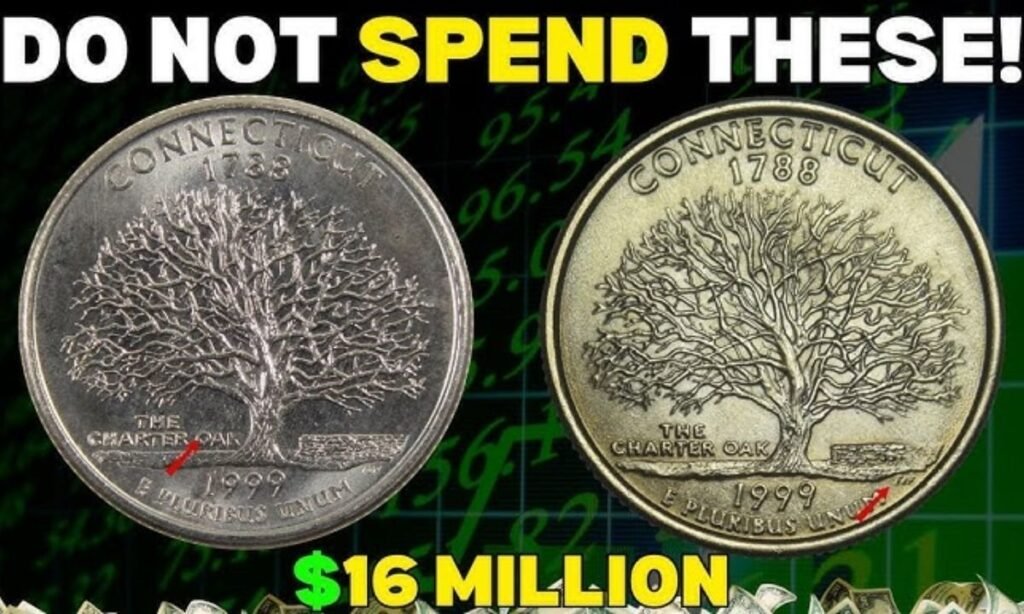
The 50 State Quarters program, which ran from 1999 to 2008, turned ordinary pocket change into a collecting phenomenon. While most of these coins are still worth just 25 cents in circulation, certain rare varieties and minting errors have become highly sought after by collectors. In 2026, interest in these pieces remains strong, with some examples fetching impressive sums at auctions or through private sales. Now is the perfect time to dig through your change jars, old rolls, or spare coins—you might have a hidden gem.
The Allure of State Quarter Errors
Minting mistakes happen when dies get damaged, grease builds up, or planchets are improperly prepared. These flaws create unique variations that stand out from billions of normal quarters produced. Collectors prize them because each error tells a story of the production process, and the best-preserved ones can command serious money. The thrill lies in the possibility that an everyday coin could turn out to be a valuable rarity.
Top Rare Varieties Still Worth Hunting
Several well-known errors from the state quarters series continue to drive excitement in 2026. These stand out due to their visibility and collector demand.
The 2004-D Wisconsin quarter features the famous Extra Leaf varieties, where an additional leaf appears on the corn husk due to a die defect. There are two main types—high leaf and low leaf—making them instantly recognizable.
Another popular find is the 1999-P Delaware quarter with the “Spitting Horse” error, caused by a die crack that looks like the horse is spitting. This one sparked early interest in the series.
The 2005-P Kansas quarter sometimes shows “In God We Rust” instead of “Trust” because of filled lettering from grease or die issues.
Minor doubled dies appear on various dates, such as doubling on inscriptions or design elements, adding subtle but collectible appeal.
Why These Coins Hold Value in 2026
Even though the program ended years ago, demand persists among both longtime collectors and newcomers drawn to the history and accessibility. High-grade examples graded by professional services often sell for far more than circulated ones, as pristine condition becomes harder to find over time. Errors remain exciting because they offer something unique without requiring ancient or ultra-rare coins.
The market rewards patience—many valuable pieces have turned up in old collections, bank rolls, or inherited jars rather than daily pocket change. As more people revisit their saved quarters, fresh discoveries keep the hobby alive.
Here are a few key tips for checking your coins effectively:
- Examine the reverse design closely for extra elements, cracks, or unusual lettering.
- Use good lighting and a magnifying glass to spot subtle doubling or die flaws.
- Compare your finds against known error photos from reliable collector resources.
- Consider professional grading if a coin appears exceptional, as certification can significantly boost its value.
What to Do If You Find Something Valuable
If a quarter looks unusual, handle it carefully by the edges to avoid damage. Research the specific variety to confirm details, then reach out to reputable dealers or auction houses for an evaluation. Many collectors have turned small finds into meaningful payouts, proving that these modern coins still pack potential.
The state quarters program may be long over, but its legacy lives on through these unexpected treasures. Grab a handful of change today and take a closer look—you could be holding a piece worth far more than face value.
FAQs
Are any regular state quarters without errors worth money?
Most circulated state quarters without errors or special varieties are worth only 25 cents. Value spikes mainly for high-grade uncirculated examples or those from low-mintage proof sets.
How can I tell if my quarter has a real error?
Look for clear, consistent flaws like extra leaves, die cracks, or missing letters that match documented varieties. Random scratches or damage from wear usually don’t count.
What’s the most famous state quarter error?
The 2004-D Wisconsin Extra Leaf varieties top the list for many collectors due to their dramatic appearance and strong demand.
Should I clean a potentially valuable quarter?
Never clean it. Cleaning can reduce value dramatically—leave coins as found and let professionals handle preservation.
Where can I sell a rare state quarter?
Trusted options include coin dealers, online marketplaces for collectors, or auction sites specializing in numismatics. Always verify authenticity first.